
Systemic Challenges in Basic Military Training During Full-Scale War: Findings of an Independent Boryviter Study
The Boryviter Centre of Excellence has published the findings of an exploratory study into basic military training at training centres of the Defence Forces of Ukraine.
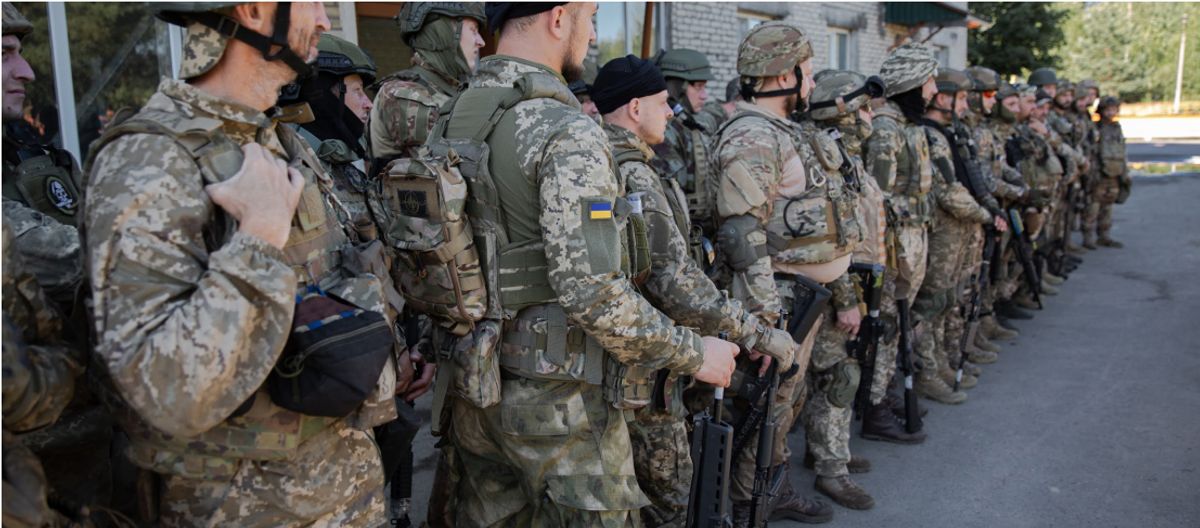
The Boryviter Centre of Excellence has published the findings of an exploratory study into basic military training (BMT) at training centres of the Defence Forces of Ukraine — one of the first independent assessments of the system that prepares recruits for combat.
The study comprised approximately thirty in-depth interviews with former recruits, instructors, platoon commanders, and sergeants from training centres of the Ground Forces, Air Assault Forces, and Territorial Defence. The quantitative phase involved over 400 serving military personnel who completed BMT after 24 February 2022. Fieldwork was conducted from December 2023 to April 2024.
The findings revealed a systemic contradiction: while the BMT curriculum largely addresses the demands of the combat environment, its implementation remains uneven. The vast majority of surveyed service members reported gaps in basic knowledge and skills that should have been acquired during training.
The study identified challenges at three levels. At the managerial level, training time is used inefficiently: only half of recruits attended every training day, and one-third received fewer instructional hours than the programme prescribes. At the methodological level, the absence of a standardised repository of training materials means instructors independently prepare lesson plans, producing divergent training outcomes across centres. At the personnel level, there is a deficit of qualified instructors, compounded by professional burnout driven by overwork and insufficient remuneration.
Over 70% of surveyed recruits reported inadequate training in UAS employment tactics, concealment from enemy drones, and operation of modern equipment. One in five service members cited insufficient training in tactical first aid and casualty evacuation.
The full version of the study was presented to the General Staff, the Ground Forces Command, the National Guard, training units, and the Ministry of Defence. Following the study's findings, Boryviter initiated joint projects with the General Staff's Main Directorate of Doctrine and Training (J7) to address the identified challenges systemically.
The study was conducted with the support of the International Renaissance Foundation.